The Butterfly Agave: A Unique and Stunning SucculentFrequently Asked Questions
If you're looking for a stunning succulent to add to your collection, the Butterfly Agave is an excellent option. Known for its unique shape and captivating appearance, this plant is sure to catch the eye of anyone who sees it.
The Butterfly Agave, also known as Agave potatorum, is a compact and slow-growing succulent that's native to Mexico. It's a member of the Asparagaceae family and is often grown for its attractive leaves and striking flowers.
This plant gets its name from the way its leaves grow in a rosette pattern that resembles a butterfly. The leaves are typically green or bluish-green and have a smooth texture with no spines. However, some varieties may have small teeth along the edges.
The Butterfly Agave is a hardy plant that can tolerate a wide range of temperatures and soil conditions. It's an excellent choice for gardeners who want to add a unique and low-maintenance plant to their collection.
1. Appearance
The Butterfly Agave is a stunning plant that's sure to turn heads. Its leaves grow in a rosette pattern that resembles a butterfly, with the upper portion of the leaf curving upward while the lower portion curves down. This creates a three-dimensional effect that's both beautiful and intriguing.
The leaves are typically green or bluish-green, with a smooth surface and no spines. Some varieties may have small teeth along the edges, but they're generally not sharp enough to cause injury.
At maturity, the Butterfly Agave can reach up to 2 feet tall and wide, making it a relatively compact succulent compared to other agave species.
2. Cultivation
The Butterfly Agave is a relatively easy plant to care for, making it a great choice for beginner gardeners or those who want a low-maintenance plant.
This plant prefers well-draining soil and can tolerate a range of temperatures. It's generally hardy to USDA zones 9 through 11, which means it can tolerate temperatures as low as 20°F (-6°C).
The Butterfly Agave is also drought-tolerant and can go for long periods without water. However, it's still important to water it occasionally, especially during hot summer months.
3. Propagation
Like many succulents, the Butterfly Agave can be propagated through stem cuttings or by planting offsets that grow from the base of the parent plant.
To propagate by stem cutting, simply take a cutting from an established plant and let it dry out for a few days. Then, plant the cutting in well-draining soil and water it sparingly until it establishes roots.
Propagation by offsets is even easier. Simply remove the offset from the parent plant and plant it in well-draining soil. Water sparingly until it establishes roots, then treat it like any other succulent.
4. Pests and Diseases
The Butterfly Agave is generally resistant to pests and diseases, but it's still important to keep an eye out for common issues.
One of the most common pests that infest agave plants is the agave snout weevil. This beetle can cause significant damage to the plant, so it's important to inspect your Butterfly Agave regularly for signs of infestation, such as holes in the leaves or trunk.
Other pests that may infest the Butterfly Agave include spider mites, aphids, and mealybugs. These can be treated with insecticidal soap or neem oil.
5. Uses
The Butterfly Agave is primarily grown for its ornamental value, but it has some practical uses as well.
In Mexico, the leaves of the Agave potatorum are used to make pulque, a traditional alcoholic beverage. The sap from the plant is fermented and then consumed.
The leaves of the Butterfly Agave can also be used to make fiber for clothing and other textiles. However, this process is time-consuming and labor-intensive, so it's not commonly on a large scale.
6. Varieties
There are several varieties of Agave potatorum, each with its unique characteristics and appearance.
One popular variety is the 'Kichiokan' Agave, which has bluish-green leaves and a more compact growth habit than the standard Butterfly Agave.
Another variety is the 'Cactus Blue' Agave, which has bluish-gray leaves with small teeth along the edges. This variety is highly sought after by collectors for its striking appearance.
7. Symbolism
In Mexican folklore, the agave plant is often associated with strength and endurance. It's considered a symbol of resilience and perseverance, as it can survive in harsh environments and grow in rocky, arid soils.
The Butterfly Agave, in particular, is often associated with transformation and rebirth. Its unique shape and appearance are said to represent the metamorphosis that occurs during the life cycle of a butterfly.
8. Conservation
While the Butterfly Agave is not currently listed as an endangered species, many other agave species are at risk due to habitat loss and over-harvesting.
In recent years, there has been a growing movement to promote sustainable harvesting practices and conservation efforts for agave plants. By supporting these initiatives, we can help ensure that these unique and valuable plants continue to thrive for generations to come.
9. Toxicity
Like many agave species, the Butterfly Agave contains saponins, which are toxic to humans and animals if ingested in large quantities.
While the sap from the plant is used to make pulque in Mexico, it's important to avoid consuming the sap or leaves of the Butterfly Agave without proper preparation.
10. Fun Facts
The Butterfly Agave is sometimes called the "Butterfly Century Plant" because it takes up to 100 years for the plant to flower and produce seeds.
The flowers of the Butterfly Agave are typically yellow or greenish-yellow and grow on a tall stalk that can reach up to 20 feet tall.
The Butterfly Agave is often grown alongside other succulents and cacti in rock gardens and xeriscapes.
The Butterfly Agave is a unique and striking succulent that's sure to add beauty and interest to any garden or collection. With its compact size, hardy nature, and low-maintenance requirements, this plant is an excellent choice for both beginner and experienced gardeners alike.
Whether you're drawn to its unusual shape, stunning appearance, or practical uses, the Butterfly Agave is a plant that's sure to delight and inspire.
What is a Butterfly Agave?
The Butterfly Agave, also known as Agave potatorum, is a slow-growing succulent that's native to Mexico. It gets its name from the way its leaves grow in a rosette pattern that resembles a butterfly.
How do you care for a Butterfly Agave?
The Butterfly Agave prefers well-draining soil and can tolerate a range of temperatures. It's drought-tolerant and can go for long periods without water, but it's still important to water it occasionally, especially during hot summer months.
Can you eat the Butterfly Agave?
While the sap from the Butterfly Agave is used to make pulque in Mexico, it's important to avoid consuming the sap or leaves of the plant without proper preparation. The plant contains saponins, which are toxic to humans and animals if ingested in large quantities.
How do you propagate a Butterfly Agave?
The Butterfly Agave can be propagated through stem cuttings or by planting offsets that grow from the base of the parent plant. Stem cuttings should be allowed to dry out for a few days before being planted in well-draining soil, while offsets can be removed from the parent plant and planted directly in soil.
What pests and diseases affect the Butterfly Agave?
The Butterfly Agave is generally resistant to pests and diseases, but it's still important to watch for common issues like the agave snout weevil, spider mites, aphids, and mealybugs.
What is the symbolism of the Butterfly Agave?
In Mexican folklore, the agave plant is often associated with strength and endurance. The Butterfly Agave, in particular, is said to represent transformation and rebirth.
How big does a Butterfly Agave get?
At maturity, the Butterfly Agave can reach up to 2 feet tall and wide, making it a relatively compact succulent compared to other agave species.
What varieties of Butterfly Agave are there?
There are several varieties of Agave potatorum, including the 'Kichiokan' Agave and the 'Cactus Blue' Agave.
Where is the Butterfly Agave native to?
The Butterfly Agave is native to Mexico.
Is the Butterfly Agave endangered?
While the Butterfly Agave is not currently listed as an endangered species, many other agave species are at risk due to habitat loss and over-harvesting.
What is the Butterfly Agave used for?
The Butterfly Agave is primarily grown for its ornamental value, but its leaves can also be used to make fiber for clothing and textiles, and its sap is used to make pulque in Mexico.
11 Butterfly agave Images

View Picture Of Agave Butterfly Agave Century Plant Maguey

This Agave Beauty Repost Nancylovesnature Succulents Agave

Agave Potatorum Butterfly Agave World Of Succulents Agave Plant

Variegated Butterfly Agave Succulents Colorful Succulents

Variegated Butterfly Agave Succulents Windowsill Garden Colorful

Agave Potatorum Var Verschaffeltii Butterfly Agave World Of

Agave Potatorum Butterfly Agave World Of Succulents Succulents

Agave Potatorum Butterfly Agave 10 Seeds UnusualSeeds Blue

Agave Butterfly Repost Shanongalvao Succulents Agavebutterfly

Agave Potatorum Eye Scream Variegated Butterfly Agave Agave
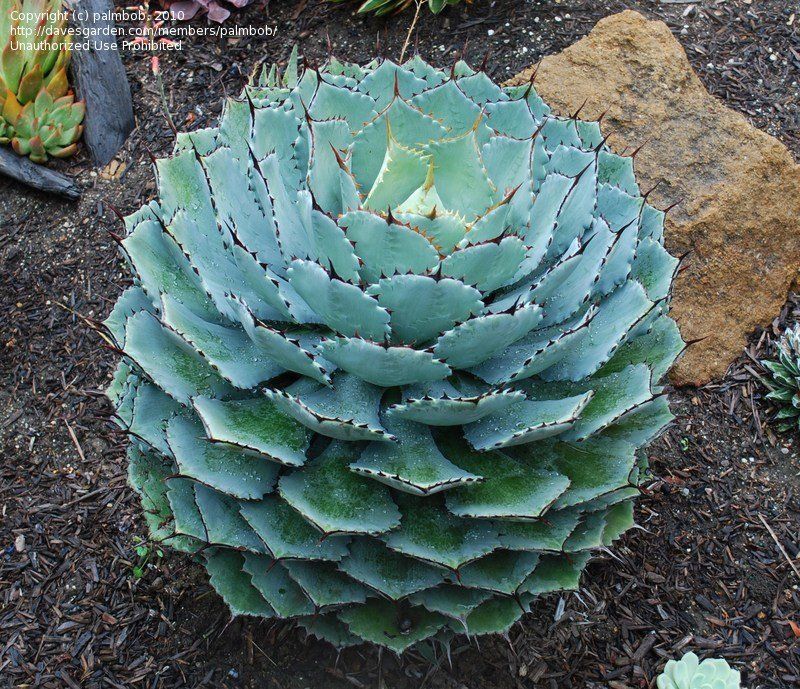
View Picture Of Agave Butterfly Agave Century Plant Maguey
Post a Comment for "The Butterfly Agave: A Unique and Stunning SucculentFrequently Asked Questions"