Haworthia Flower Stalk: Understanding The Anatomy of the Plant
Haworthia is a succulent plant that belongs to the Xanthorrhoeaceae family. It is native to South Africa and is known for its attractive appearance and low maintenance. One of the most striking features of the Haworthia plant is its flower stalk. In this article, we will discuss the anatomy of the Haworthia flower stalk in detail.
The Structure of the Haworthia Flower Stalk
The Haworthia flower stalk consists of several parts that work together to produce the beautiful flowers that adorn the plant. Let’s take a closer look at each of these parts.
Peduncle
The peduncle is the stem that supports the entire flower stalk. It emerges from the center of the rosette and can vary in length depending on the species of Haworthia. Some species have short peduncles while others have long ones.
Bracts
Bracts are modified leaves that surround the base of each flower on the Haworthia flower stalk. They are usually green but can also be brown or reddish in color. Bracts protect the developing flower bud and provide support for the flower later on.
Ovary
The ovary is the part of the flower that contains the female reproductive organs. It is located at the base of the flower and is often wider than the rest of the flower. The ovary develops into the fruit after the flower has been pollinated.
Style
The style is a slender, elongated structure that connects the ovary to the stigma. It is responsible for moving the pollen from the stigma to the ovary during pollination.
Stigma
The stigma is the topmost part of the female reproductive system. It is designed to receive the pollen grains during pollination.
Anthers
Anthers are the male reproductive organs of the Haworthia flower. They are located at the tip of the stamen and produce pollen grains.
Filament
The filament is a slender stalk that supports the anthers. It is responsible for holding the anthers in place so that they can release their pollen grains.
How Does The Haworthia Flower Stalk Function?
Now that we have discussed the anatomy of the Haworthia flower stalk, let’s take a look at how it functions.
The Haworthia plant produces flowers that are typically small and white or pink in color. The flowers grow on the peduncle, which emerges from the center of the rosette. The bracts protect the developing flower buds and provide support for the flowers as they grow.
Once the flowers have fully developed, they open up to reveal the reproductive organs. The anthers release their pollen grains, which are then carried by insects or the wind to the stigma. The style moves the pollen grains down to the ovary, where fertilization takes place.
After fertilization, the ovary develops into a fruit that contains seeds. These seeds can be collected and used to grow new Haworthia plants.
How To Care For The Haworthia Flower Stalk?
To ensure that your Haworthia plant produces healthy flower stalks, it is important to provide it with the right care. Here are some tips:
- Make sure that the plant receives enough sunlight. Haworthia plants prefer bright but indirect light.
- Water the plant regularly but do not overwater it. Allow the soil to dry out between waterings.
- Use well-draining soil to prevent root rot.
- Fertilize the plant once a month during the growing season.
- Keep the plant at a temperature between 60 and 85 degrees Fahrenheit.
Common Problems With The Haworthia Flower Stalk
There are several problems that can affect the health of the Haworthia flower stalk. Here are some of the most common ones:
Overwatering
Overwatering can cause the roots to rot, which can lead to wilting and yellowing of the leaves. To avoid overwatering, make sure that the soil drains well and allow it to dry out between waterings.
Underwatering
Underwatering can cause the plant to become dehydrated, which can lead to wilting and yellowing of the leaves. To avoid underwatering, water the plant regularly but do not overdo it.
Pests
Pests like spider mites and mealybugs can infest the plant and cause damage to the leaves and flower stalk. To prevent pests, keep the plant clean and free of debris.
Frequently Asked Questions
Q1: How often should I water my Haworthia plant?
A: Water your Haworthia plant once a week during the growing season and reduce watering during the dormant season.
Q2: Can I propagate my Haworthia plant from leaf cuttings?
A: Yes, you can propagate your Haworthia plant from leaf cuttings. Simply remove a healthy leaf from the plant and let it dry for a few days before planting it in well-draining soil.
Q3: How tall can the Haworthia flower stalk grow?
A: The height of the Haworthia flower stalk varies depending on the species of the plant. Some species have short flower stalks while others can reach up to 12 inches in height.
Q4: Do Haworthia plants need direct sunlight?
A: No, Haworthia plants prefer bright but indirect light. Direct sunlight can cause the leaves to burn.
Q5: How can I tell if my Haworthia plant is getting too much or too little water?
A: If the leaves of your Haworthia plant are turning yellow or brown, it may be getting too much water. If the leaves are wilting or turning brown and crispy, it may be getting too little water.
Q6: How long does it take for a Haworthia plant to produce flowers?
A: Haworthia plants typically produce flowers during the spring and summer months. The time it takes for a plant to produce flowers varies depending on the species of the plant.
Q7: Can I grow my Haworthia plant indoors?
A: Yes, Haworthia plants can be grown indoors as long as they receive enough bright but indirect light.
Q8: How often should I fertilize my Haworthia plant?
A: Fertilize your Haworthia plant once a month during the growing season.
Q9: Can I plant my Haworthia plant in a terrarium?
A: Yes, you can plant your Haworthia plant in a terrarium as long as it has enough ventilation and is not overwatered.
Q10: What is the best soil mix for Haworthia plants?
A: Haworthia plants prefer well-draining soil. A mix of cactus soil and perlite or sand works well.
The Haworthia flower stalk is an intricate part of the plant that plays a vital role in reproduction. By understanding its anatomy and function, you can ensure that your Haworthia plant produces healthy flowers and thrives. Remember to provide your plant with the right care, and you will be rewarded with beautiful blooms year after year.
13 Haworthia flower stalk Images

Haworthia Plants Garden

Pin On Haworthia

Haworthia Truncata Hybrid Frosty Tips In 65 Cm Pot Suculentas

Haworthia Tortuosa Forma Variegata Cacti And Succulents Succulents

Haworthia Attenuata Zebra Plant Was An ESC Plant Once It Greened Up

Haworthia Reinwardtii Plants Garden Image

Haworthia Reinwardii Plantas

Haworthia Cymbiformis Var Obtusa In 2021 Haworthia Cymbiformis
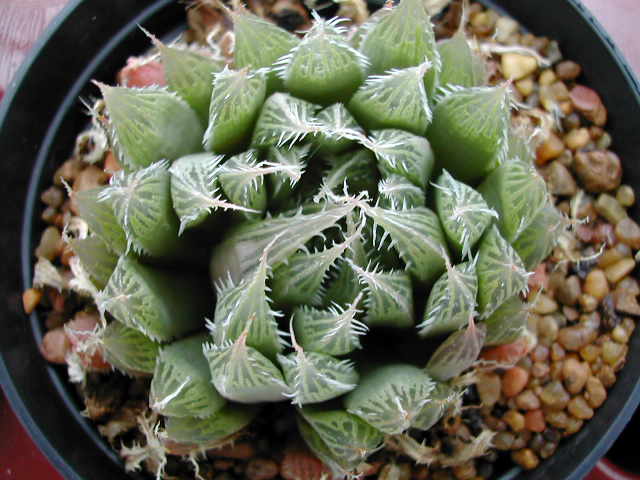
Haworthia Beukmannii X Comptoniona HttpwwwlapshinorgcultivarN22

Haworthia Succulents Plants

Haworthia Retusa Succulent Gardening Planting Succulents Small

Haworthia Truncata Hybrid Ku 20165 In 65 Cm Pot Plants Succulents Pot

Haworthia Limifolia Howarthia Fairy Washboard Haworthia Limifolia
Post a Comment for "Haworthia Flower Stalk: Understanding The Anatomy of the Plant"